The loss is not the lesson. The review is.
What the trading record taught me about being right, being wrong, and knowing when to stop.
 Brock Pivec · September 8, 2026 · 4 min read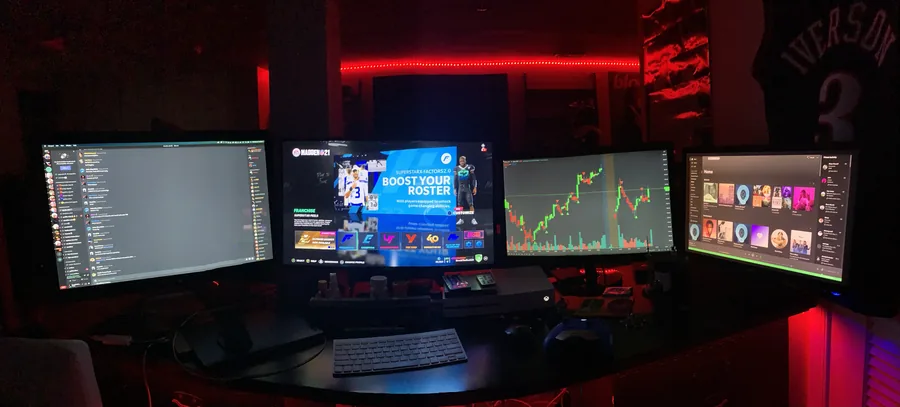
A trading screenshot leaves out most of the decision. You can see the result, but the original expectation, the size of the position, and the changes made along the way need a record of their own.
The published summary and archived rows do not yet fully reconcile. The ledger explains the remaining differences and the limits of each source.
That is the part I want to spend more time on. A review should leave me with something specific I can check next time.
First, get the scopes right.
My published reconstruction reports a combined historical loss of $478,449. Within that history, the worst single session was a $412,031 loss on August 26, 2025. One account had reached an intraday high-water mark of $399,867 the day before. That peak was not income.
The historical record explains the source and scope of each figure. Keeping those distinctions clear is the starting point for a useful review.
A winning trade can hide a poor decision.
The historical summary shows more winners than losers, with an average loss much larger than the average win. The size of those losses outweighed the number of winning trades. Looking only at how often I was right would miss what happened to the account.
The review starts where the screenshot ends.
For an individual decision, I want the same level of detail. What evidence did I have? What could I lose? What limit had I written down? What changed while the position was open? A winning result still deserves those questions.
Write something you can observe.
“Be more disciplined” gives me very little to compare with a record. “Write the reason for a decision before acting, then compare it with what happened” describes a step I can check. The useful rule is specific enough that I can tell whether I followed it.
I can apply that to a software project too. Before spending another week building, write down the question that week is supposed to answer. When the week ends, review what I learned and choose the next step from there.
The honest next step.
Take one completed decision and reconstruct it while the details are still available. Keep the expectation, action, costs, and result separate. Then write one change for the next review. That is a more useful finish than another screenshot in a folder.
Use the free decision review with a past decision of your own. For the longer exercise, preview a lesson from the Trading Reset.
Better decisions.
One page at a time.
The free decision review: write down what you expected, where the limit was, and what you will change. Built from mistakes I actually made.
Make your first review